Arlington Intersystem Grounding Bridge Guide: The Grounding Part That's Actually Code
Researched with AI · Being re-checked by the Operator

 Researched pick · Researched with AI · not a hands-on review
A ground rod driven into the yard doesn't automatically satisfy code for a roof-mounted antenna or dish. NEC Article 810 specifically requires the mast's ground wire to bond to the home's existing grounding electrode system through a listed bonding component — a step a lot of DIY installs skip because "ground rod kit" sounds like the whole job.
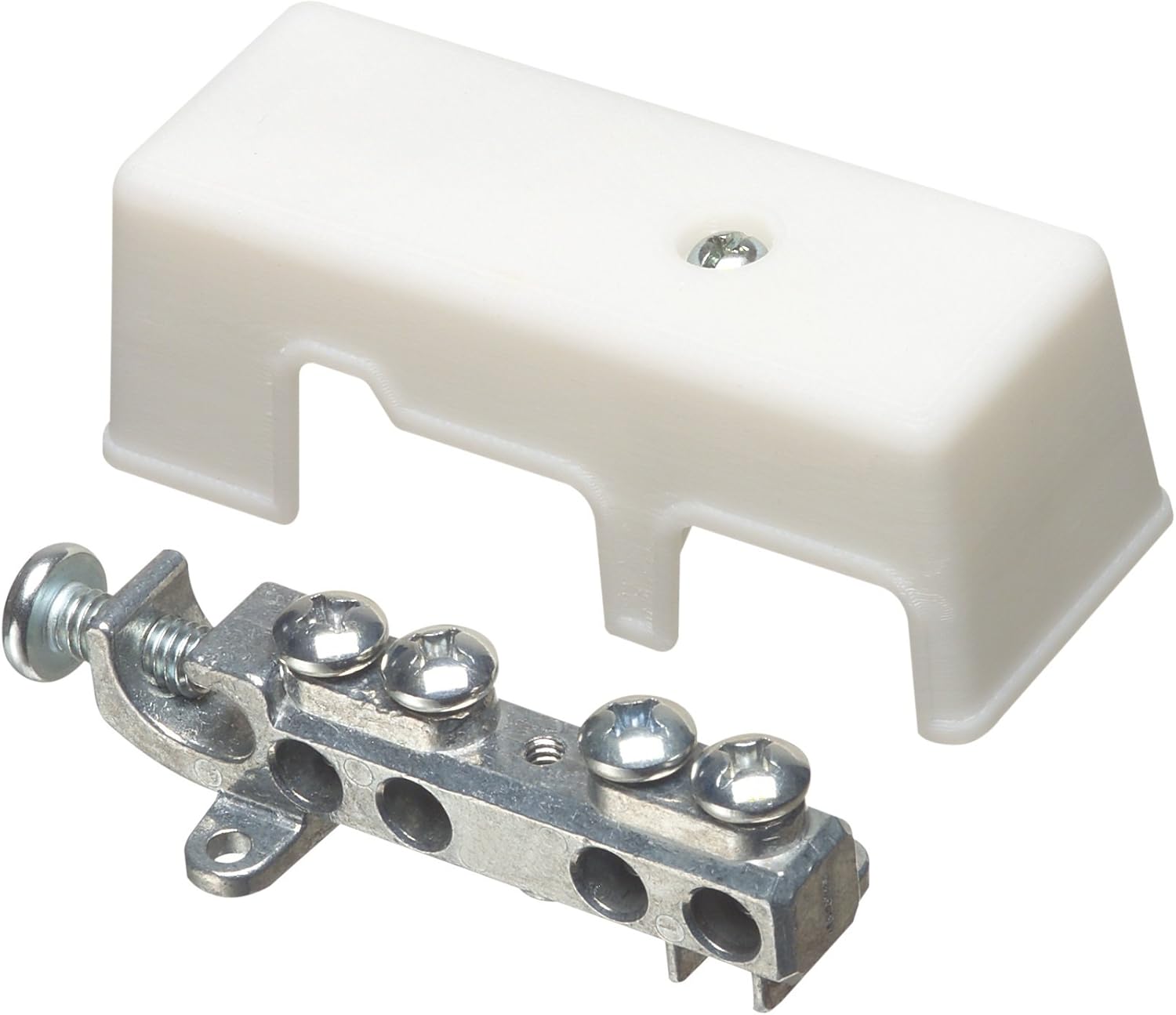
This is that specific component: an intersystem bonding bridge, the part that actually ties an antenna or satellite mast's ground wire into the same grounding system as the home's electrical and telephone grounds.
Specs
- Type: Intersystem bonding bridge / grounding bridge
- Material: Zinc, with a plastic cover
- Size: 4-1/2 inch
- Color: White
- Terminals: Multiple, for bonding several ground wires at one point
Why it's the pick
This is the part the copper ground rod kit doesn't include: a rod and clamp set gets a ground wire into the earth, but code requires that wire to also bond to the building's other grounding systems at a single, accessible point — that's what an intersystem bonding bridge is specifically for, and it's a piece DIY satellite installs often miss.
Where it falls short
It's a bonding point, not a complete grounding solution — it still needs a ground wire running to it from the dish mount, and a connection from it down to the grounding electrode (the rod kit elsewhere in this section). Buying this alone without the rest of the grounding path doesn't satisfy the code requirement.
Who it's for
Anyone installing a roof- or mast-mounted Starlink dish who wants the ground path to actually meet NEC Article 810, not just "a wire to a rod somewhere." Pairs directly with the copper grounding kit listed alongside it in this section. In Canada the Canadian Electrical Code (CSA C22.1) governs antenna grounding — check local requirements or with a licensed electrician.
Sources
- Amazon.ca — Arlington GB5-1 Intersystem Grounding Bridge product listing
- Forest River Forums — Starlink grounding under NEC Article 810

Guides are researched with AI and checked by the Operator. How KYRA.GG works →